ROOM 13 Co-op Roles for 2�? Players
Split bells, generator duty, and map calls so your squad survives all six nights.
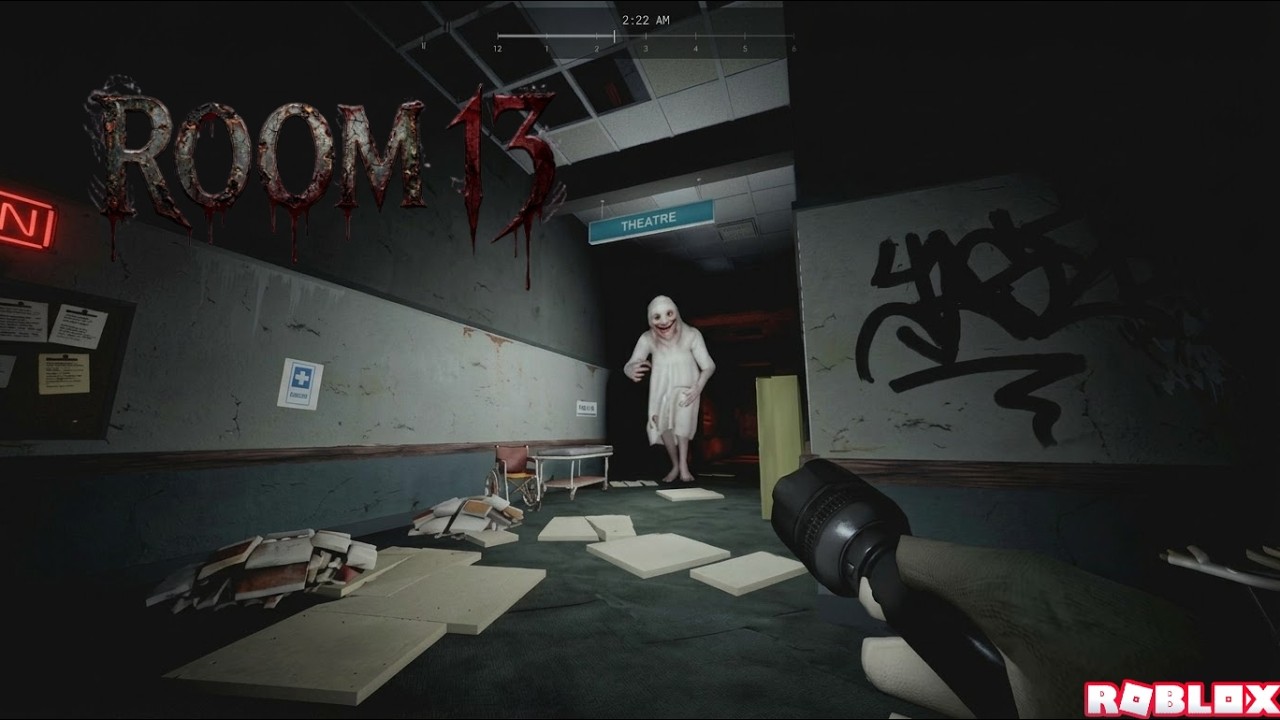
ROOM 13 [HORROR] by CCU Zone supports solo play and groups of up to four players on the same hospital shift. Co-op does not make Night 6 Last Shift free—it makes failures louder when nobody owns a job. The teams that clear Quiet through Last Shift assign a primary runner, a generator watch, and a map caller before the night starts, then keep those roles under pressure. This guide explains how to split work for two, three, and four players without stacking three people on one door while a far lamp rings out.
If your group is brand new, have everyone skim Getting Started and agree on bindings from Controls. Use the Night Walkthrough for night-by-night pressure. Check Players for badge context and community stats after the session.
Why roles beat free-for-all
Free-for-all co-op looks busy and still drops three strikes. Two friends chase the same red lamp, nobody watches the generator, and the fourth player sprints lit through Her hallway looking for the group. Roles convert that chaos into a dispatcher model: one voice sets priority, one body restores power, one or two bodies clear doors, and everyone shares hide calls.
She still sees light and hears running. Co-op adds friendly fire of the informational kind—bad calls and stacked routes. Discipline the plan first, then the scares.
Core roles
Primary runner �?Owns the highest-urgency bell path. Watches red lamps, takes cluster halls, and interacts to clear calls. Stays dark and quiet unless a timer forces a sprint. Aborts into lockers when She closes; does not demand the whole squad follow into a bad hall.
Generator watch �?Prioritizes power restores the moment systems drop. Carries a short flashlight pulse only at the panel, then kills the beam. After a restore, either covers overflow bells or holds a safe wing. In two-player games this role is a hat the non-runner wears when power fails, then returns to secondary bells.
Map caller �?Lives on the map more than on footsteps. Announces new lamps, which hall has a cluster, where She was last seen, and which path is dead. The caller can still clear nearby doors, but their main job is keeping one shared queue so four private plans do not collide.
Flex (four-player) �?Covers the opposite wing from the primary runner, reinforces a cluster sweep, or temporary generator help. Flex players must accept boring coverage; hero plays that abandon a wing create the exact cascade the three-strike rule punishes.
Two-player setup
Player A: primary runner. Player B: secondary bells plus generator watch and light map calls. Talk every lamp. When power drops, B restores while A keeps the most critical door alive if safe. When She appears, both call hides—do not search for each other with flashlights on. Two-player clears succeed when B resists the urge to mirror A’s every step.
Three-player setup
Runner, generator watch, and map caller as distinct jobs. The caller can take low-urgency nearby bells but should not vanish on a long scenic route without announcing it. Three-player is the sweet spot for learning Last Shift habits: one voice, one power owner, one door owner.
Four-player setup
Keep the three core roles and add a flex covering the far wing. Agree before Night 1 Quiet who speaks first during a spike—usually the map caller. Mute chaos. Four mics describing four different doors is worse than one calm queue. If the flex has nothing urgent, they hold a locker-rich room as a safe rally instead of inventing noise.
Communication scripts that work
Short calls beat essays:
- “Lamp cluster, west hall—I sweep.”
- “Generator down—I take it.”
- “She on my stair—hiding, abort east route.”
- “Two strikes—priority only, no greed.”
Ban long debates mid-hall. If two runners conflict, the map caller picks one path and the other redirects. After a wipe, review which role broke—not which player “got scared.”
Shared stealth rules in co-op
Only the person working a panel should keep a light on. Sprint in bursts for critical timers, not as a group jogging club. When one player hides, others avoid that hall unless they are executing a planned rescue that does not require lit screaming. Hold breath in lockers still matters; teammates cannot hold breath for you.
Multi-bell same-hall events are where co-op shines: runner plus flex sweep the cluster while the caller watches the opposite wing and the generator watch stays ready. That pattern clears pressure spikes that solo players have to sequence alone.
Night pressure for groups
Quiet: practice calls and resist stacking. Restless and Uneasy: enforce generator ownership. Hunted and Relentless: more abort calls, fewer ego routes. Last Shift: lock roles before the night begins and protect the strike budget like a shared resource. Badge data near three percent for Last Shift is not a skill issue unique to solo—disorganized foursomes wipe the same way.
Common co-op failures
- Three players on one door, zero on the far lamp.
- Nobody admits generator duty until the wing is black.
- Map silence—everyone assumes someone else saw the blink.
- Flashlight party in one hallway.
- Searching for a hidden teammate instead of clearing safe bells.
- Swapping roles mid-panic without saying so.
Fix the list with a thirty-second lobby brief before each serious attempt. New players can join after they finish the Getting Started checklist so the squad is not teaching bindings during Hunted.
Session plan
Warm up one Quiet night with roles locked and no joke sprinting. Run Restless with mandatory generator calls. Attempt later nights only when the caller’s queue is obeyed. Between attempts, open the Night Walkthrough for the specific night you failed and adjust coverage—not random hero loadouts.
Co-op in ROOM 13 is a shift schedule. Assign the jobs, keep the calls short, hide when She demands it, and answer every red lamp like the three-strike rule is watching—because it is.
Frequently Asked Questions
Quick answers for night-shift survivors.
How many players can join a ROOM 13 session?
Solo play works, and groups can play with up to four players. Assign roles before the night starts.
What roles should a four-player team use?
Primary runner, generator watch, map caller, and a flex who covers the far wing or overflow bells.
Who should restore the generator in co-op?
A dedicated generator watch. In two-player games, the secondary player restores, then returns to bells.
Should everyone chase the same red lamp?
No. Stacking on one door while another lamp dies is a top co-op wipe cause. Split coverage on purpose.
What should we do when a teammate hides?
Avoid sprinting lit into their hall. Clear a safe priority bell or hold position until they call clear.
Where do we learn night-by-night pressure as a group?
Follow the Night Walkthrough together and keep Getting Started plus Players bookmarked for onboarding and badge context.